
Introduction
In recent years, Virtual Reality (VR) has reshaped how we engage with digital content. Integrating Artificial Intelligence (AI) elevates VR by creating more immersive, interactive, and adaptive environments. This guide highlights leading AI tools that empower developers and creators to build next-generation VR experiences.
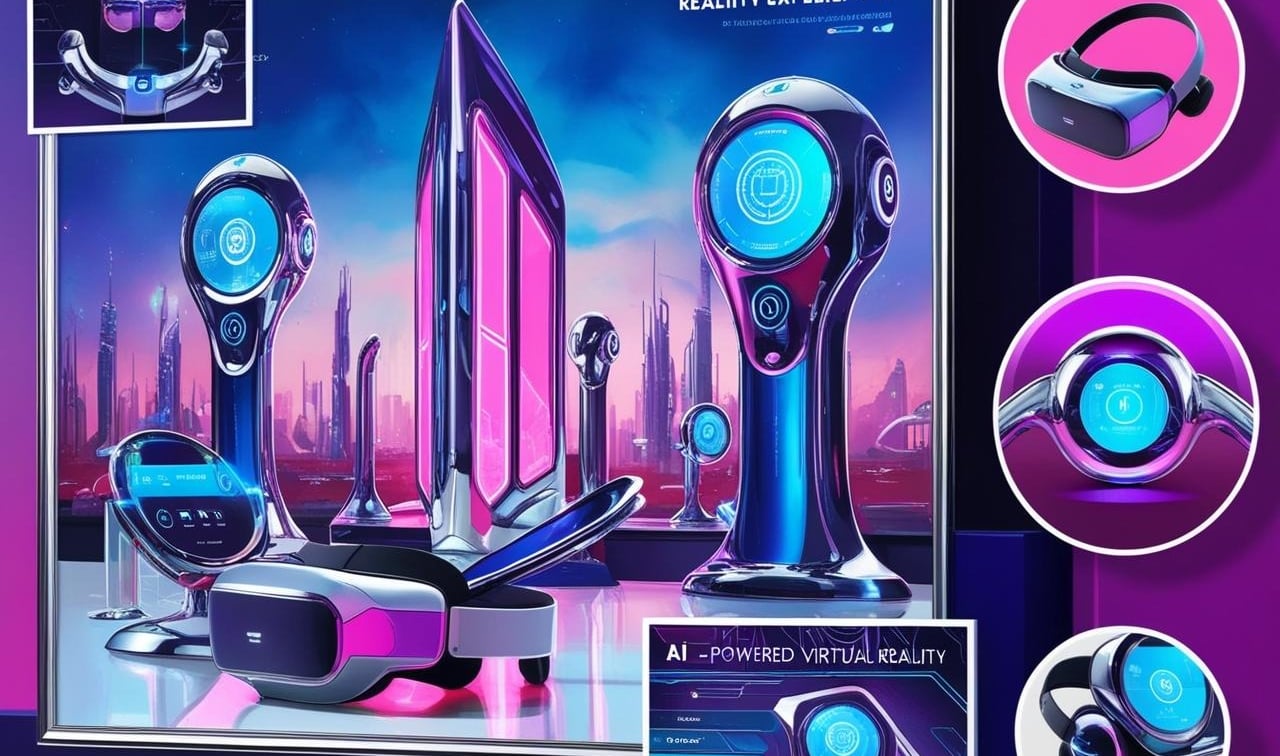
What is AI-Powered Virtual Reality?
AI-Powered VR combines AI algorithms with virtual environments, enabling real-time content generation, natural language interactions, and environment optimization based on user behavior. The result is a personalized, intelligent VR world that responds dynamically to each user.
The Role of AI in VR
- Personalization: Tailor VR scenarios to individual preferences for unique experiences.
- Real-time Interaction: Use NLP and AI avatars to enable meaningful conversations within VR.
- Intelligent Environments: Adjust VR scenes on the fly to enhance engagement and performance.
- Data-Driven Improvements: Analyze user data to refine and evolve VR content continually.
Top AI Tools for VR Content Creation
- Unity with ML-Agents: Embed machine learning agents for NPCs that learn and adapt. Features include real-time learning, environment navigation, and TensorFlow integration.
- Unreal Engine with AI Tools: Build reactive virtual worlds with behavior trees, pathfinding, and neural-network-driven interactions.
- Blender with AI Plugins: Automate modeling with object recognition, generate textures procedurally, and add AI-driven voice interactions.
AI Tools for Enhancing User Interaction in VR
- IBM Watson AI for VR: Leverage NLP, sentiment analysis, and visual recognition to build conversational AI avatars and dynamic storylines.
- OpenAI GPT-3 for VR: Integrate advanced language models for context-aware dialogues and personalized user engagement.
AI for VR Gaming and Entertainment
- NavMesh Pathfinding: Enable realistic NPC navigation and dynamic pathfinding in complex virtual landscapes.
- DeepMotion Animation: Generate real-time, emotion-driven character animations based on user movements and facial expressions.
AI Tools for VR in Education and Training
- SensoVR: Adapt training scenarios in real time and provide AI-driven feedback to improve learning outcomes.
- Cogito: Offer cognitive VR exercises with adaptive difficulty and performance tracking.
Future of AI and VR
Emerging trends include AI-driven procedural content generation, more sophisticated avatar behaviors, and broader adoption of AI in VR healthcare and rehabilitation. As AI advances, VR environments will become increasingly lifelike, personalized, and versatile.
Conclusion
By harnessing AI tools within VR, creators can deliver truly next-level immersive experiences—visually stunning, interactive, and tailored to each user. Stay ahead of the curve by exploring these AI-powered solutions for your VR projects.